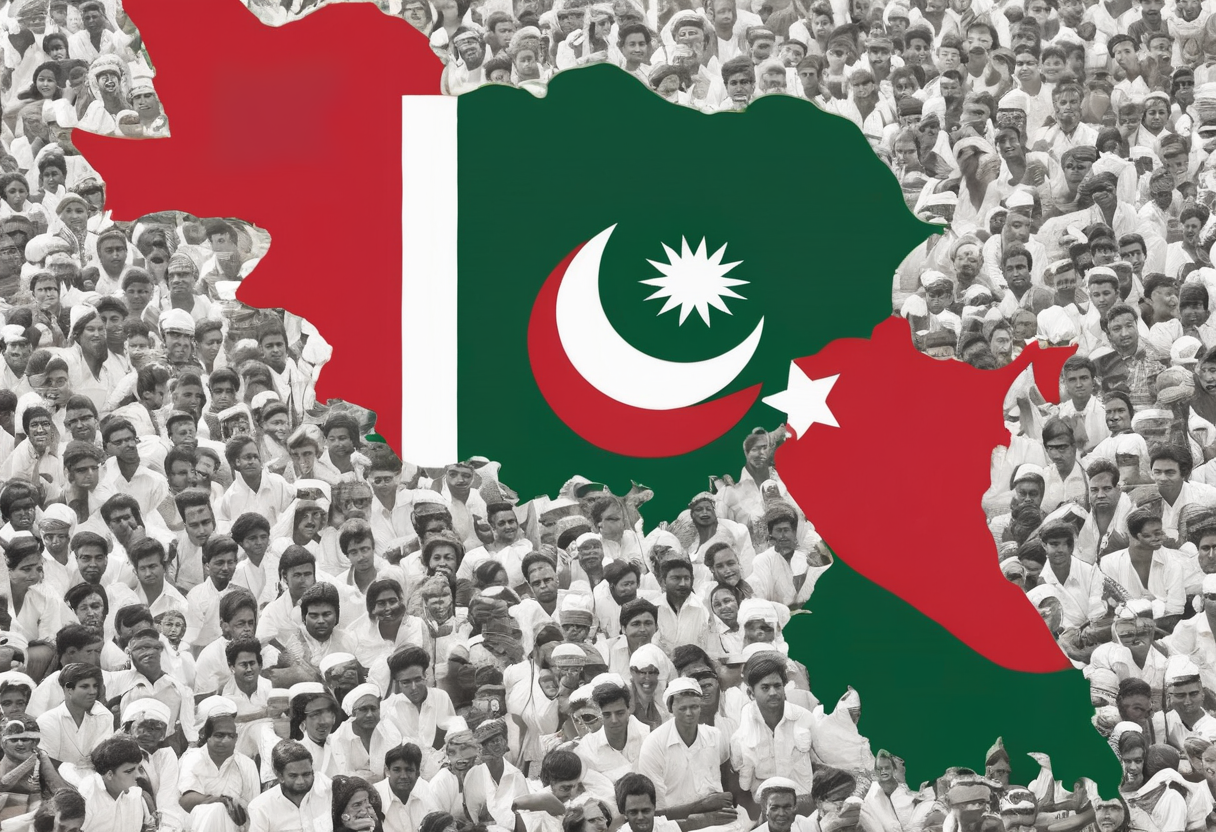
Bangladesh, known as East Pakistan at the time, gained its independence on March 26, 1971 after a long and tumultuous struggle against the oppressive regime of West Pakistan. The roots of this struggle can be traced back to the partition of India in 1947, when the British divided the country into two separate states based on religious demographics. East Bengal, which would eventually become East Pakistan, was predominantly Muslim while West Bengal, now known as West Pakistan, had a majority Hindu population. This division sparked riots and violence, leading to the displacement of millions of people.
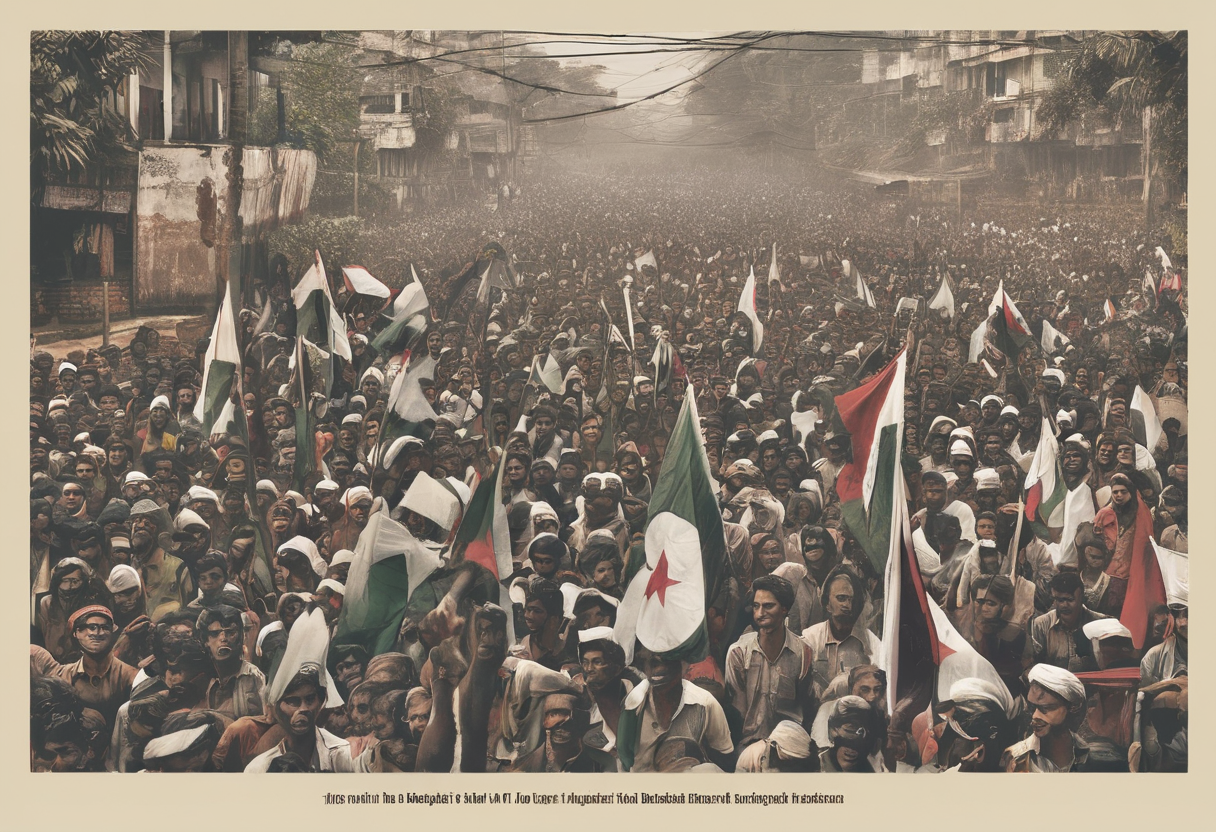
Despite being technically a part of Pakistan, East Pakistan was neglected and marginalized by the West Pakistani government. This led to a growing resentment towards the oppressive government and demands for more autonomy for East Pakistan. In 1952, the language movement began, with Bengalis fighting for their right to speak their mother tongue, Bengali, instead of Urdu which was the official language in Pakistan. This movement was met with violence from the government, resulting in the deaths of many protestors. This event is still commemorated today as International Mother Language Day in Bangladesh.
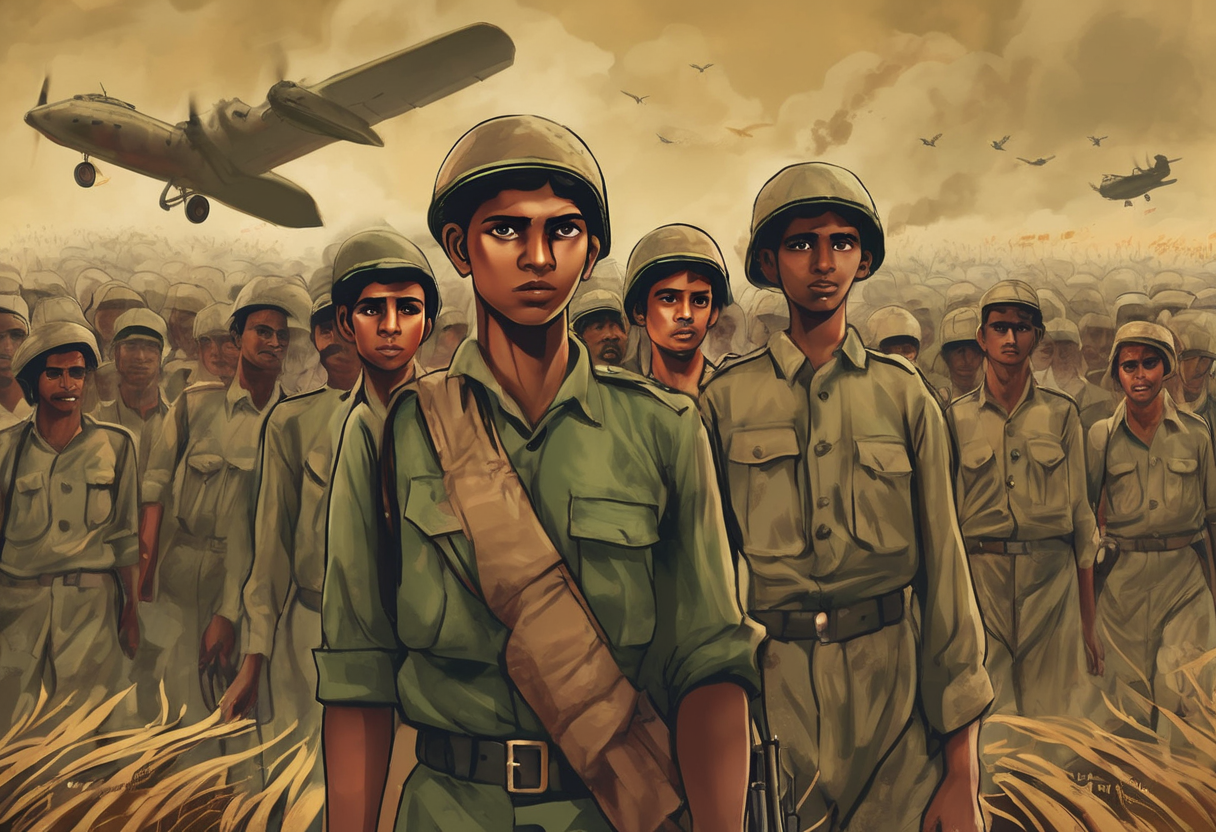
The struggle for independence continued for many years, with political leaders and activists working towards a free and democratic Bangladesh. In 1971, a violent crackdown by the Pakistani army on civilians and political leaders sparked a nine-month long war. The war, known as the Liberation War, saw the involvement of neighboring India, which provided support and assistance to the Bangladeshi forces. Finally, on December 16, 1971, Bangladesh declared its independence and was recognized as a sovereign nation by the world.
The road to independence was a long and difficult one for Bangladesh, with countless sacrifices made by its people. Today, the country celebrates its independence day on March 26 every year with parades, cultural events, and a renewed sense of pride in its hard-fought freedom. The struggles and sacrifices of the past are still remembered and cherished, serving as a reminder of the importance of preserving the sovereignty and unity of Bangladesh.
In conclusion, the history of Bangladesh’s struggle for independence is a testament to the resilience and determination of its people. Despite facing numerous challenges and setbacks, they were able to overcome and achieve their goal of a free and